Should I Get a Cordless Drill or Impact Driver? Complete Guide to Choosing the Right Tool
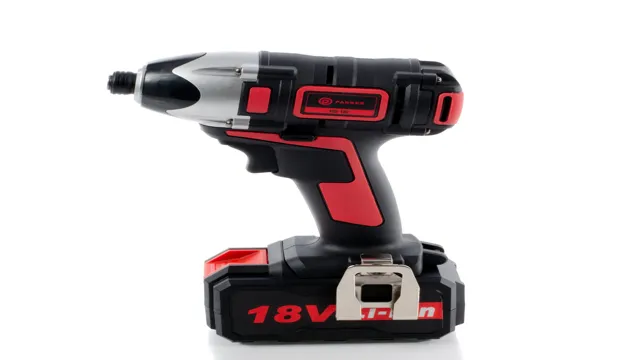
When it comes to DIY and home improvement projects, having the right tools can make all the difference. But with so many different power tools on the market, it can be challenging to determine which one is the best fit for your needs. One common dilemma that many DIY-ers find themselves in is choosing between a cordless drill and an impact driver.
While these tools may look similar at first glance, they each have their unique strengths and weaknesses that make them better suited for different types of projects. So, how do you know which one is right for you? Let’s take a closer look at the differences between cordless drills and impact drivers to help you make the best decision for your next project.
Understanding the Difference Between a Cordless Drill and an Impact Driver
If you’re wondering whether to get a cordless drill or an impact driver, there are a few key differences that can help guide your decision. First, cordless drills are typically better for tasks like drilling holes and driving screws into softer materials like wood or drywall. They offer a lot of versatility and can be used for a wide range of tasks, from DIY projects around the house to professional construction work.
Impact drivers, on the other hand, are designed for more heavy-duty tasks, like driving screws into harder materials like metal or concrete. They use a rotational and downward force to create a lot of torque, making it easier to drive screws in quickly and efficiently. So, if you’re planning on doing a lot of heavy-duty work, an impact driver may be the better choice.
However, if you’re looking for a versatile tool that can handle a range of tasks, a cordless drill is likely the way to go. Ultimately, it’s up to you to decide which tool will best fit your needs and budget.
What is a Cordless Drill?
A cordless drill is a handy tool for anyone who enjoys doing DIY projects around their home or workshop. Unlike corded drills, which require a power outlet to operate, cordless drills are powered by rechargeable batteries, making them portable and easy to use. However, it’s essential to understand the difference between a cordless drill and an impact driver.
While both tools have similar functions, an impact driver has more power and is designed to drive screws and bolts into tough materials like hardwood and metal. On the other hand, a cordless drill is better suited for drilling holes into less dense materials like wood or drywall. Understanding the differences between these two tools can help you choose the right one for your needs.
What is an Impact Driver?
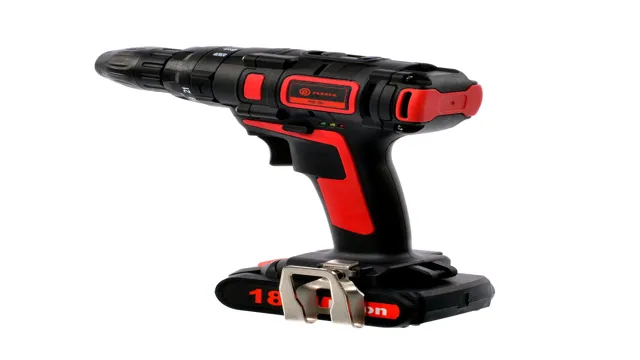
An impact driver is a powerful tool that is designed for heavy-duty work, such as driving screws through dense materials such as wood or metal. It is often confused with a cordless drill, but the two are actually quite different. While a drill is designed for drilling holes and driving screws, it can struggle when it comes to tougher jobs that require more torque.
That’s where an impact driver comes in: it delivers a rotational force that is more powerful than a traditional drill, allowing it to tackle even the most stubborn screws. Think of it like a professional athlete compared to a weekend warrior: both are skilled, but one is specifically trained and equipped to handle the toughest challenges. So if you’re working on a big project that requires a lot of driving, an impact driver is definitely worth considering.
Usage Scenarios: When to Use a Cordless Drill vs. an Impact Driver
If you’re wondering whether to use a cordless drill or impact driver for your next project, it’s important to consider the usage scenario. Both tools have their advantages and disadvantages, and it largely depends on the task at hand. A cordless drill is best for tasks that require drilling holes or driving screws into soft materials such as drywall or wood.
It has an adjustable clutch that allows you to set a specific torque level, which helps prevent overdriving the screws and damaging the material. On the other hand, an impact driver is better suited for heavy-duty tasks that require extra torque and power, such as driving screws into hardwood or masonry. It doesn’t have an adjustable clutch, but it does have a higher rotational torque that delivers more bursts of force to drive screws faster and easier.
Ultimately, the decision comes down to the specific task you need to complete. If you’re still unsure, you may want to consider getting both tools for greater versatility and flexibility.


Cordless Drill Uses and Applications
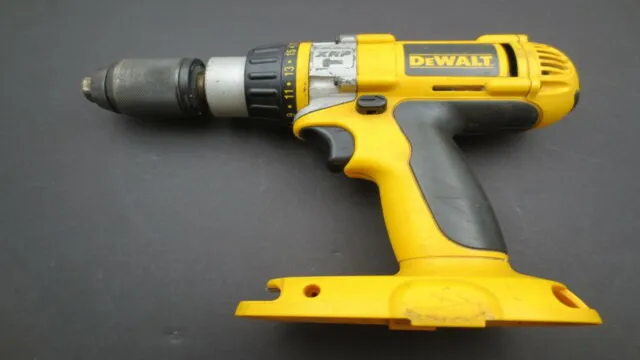
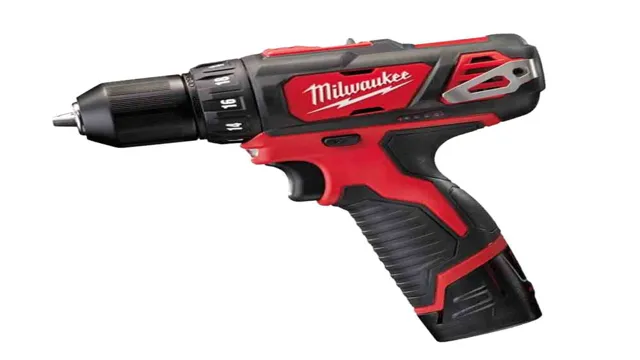
cordless drill uses When it comes to tackling DIY projects and home repairs, using the right tool for the job is crucial. Cordless drills and impact drivers are two common power tools that many DIY enthusiasts and professionals have in their arsenal. But which one should you use for your project? Cordless drills are essential for drilling holes and driving screws into wood, plastic, and metal surfaces.
They come with a variety of bits and chucks, making them versatile and ideal for tasks such as assembling furniture, installing cabinets, and hanging shelves. On the other hand, impact drivers are designed for heavy-duty tasks that require more torque and power. They are excellent for driving long screws, nuts, and bolts into hard materials, such as concrete, brick, and stone.
Using the right tool for the job not only ensures efficiency and accuracy but also prolongs the life of your tools. So, before starting your next project, consider the materials you’ll be working with, the size of the job, and the level of torque and power you need to complete it.
You May Also Love:
Impact Driver Uses and Applications
One of the most common dilemmas during a DIY project is choosing between a cordless drill and an impact driver. The decision ultimately depends on the task you need to accomplish. For instance, if you are only doing basic drilling tasks, a cordless drill with a chuck and clutch system is sufficient.
Conversely, an impact driver with higher torque is ideal for driving screws and bolts. Impact drivers offer superior driving power, enabling you to execute heavy-duty tasks like constructing decks or framing houses. The advantage of using an impact driver is that it puts less pressure on your wrist and forearm thanks to its hammering action.
So, if you’re working on a challenging project that requires superior driving power, an impact driver is your best bet.
Comparing the Performance of a Cordless Drill and an Impact Driver
If you’re a DIY enthusiast, you probably have a cordless drill and an impact driver among your tools. While these two tools look similar, they have different purposes and strengths. Cordless drills are great for drilling holes and driving screws into wood or drywall.
They have a clutch that helps prevent the screws from overdriving, making them ideal for delicate jobs. Impact drivers, on the other hand, are more powerful tools that excel at driving long screws into hard materials such as concrete and metal. They have a hammering action that allows them to generate more torque, making them more efficient and effective in these scenarios.
A cordless drill is perfect for everyday jobs around the house, while an impact driver is ideal for heavy-duty work that requires more power. Keyword: Cordless drill, Impact driver, Usage Scenarios.
Making a Choice: Factors to Consider When Choosing Between a Cordless Drill and an Impact Driver
Choosing between a cordless drill and an impact driver can be a tough decision when you’re not sure what exactly you need for your project. A cordless drill is great for drilling holes through all sorts of materials, driving screws, and other general drilling tasks. On the other hand, an impact driver provides more torque and is better suited for tougher jobs such as fastening screws into dense wood or metal.
When making a decision, consider the type of project you are tackling, the materials you will be drilling or screwing into, and the size of the space in which you will be working. Ask yourself, do I need more precision and control, or do I need more power? Keep in mind that a cordless drill generally offers more flexibility in terms of versatility, while an impact driver is more specialized for heavy-duty projects. Ultimately, the best choice will depend on your specific needs and preferences.
Consider the Kind of Work You Plan to Do
When deciding between a cordless drill and an impact driver, it’s important to consider the kind of work you plan to do. If you’re a DIYer or a homeowner who needs a tool for occasional use, a cordless drill might be the way to go. It’s versatile and can handle a variety of tasks, such as drilling holes and driving screws.
However, if you have more demanding tasks, such as building decks or framing walls, an impact driver might be the better option. It delivers a burst of torque that allows you to drive screws faster and easier, which can save you time and reduce wrist fatigue. Ultimately, the choice comes down to your specific needs and preferences, so take some time to think about what kind of projects you plan to tackle in the future.
Consider Your Budget
When choosing between a cordless drill and an impact driver, one of the most important factors to consider is your budget. Both tools can be quite pricey, and the price can vary depending on the brand, quality, and features. Impact drivers, for instance, are typically more expensive than cordless drills because they are designed for more heavy-duty tasks and come with a torque that is several times higher.
However, if you only need a tool for basic DIY projects, a cordless drill may be a better fit for your budget. It is important to weigh the cost against the long-term benefits before making a decision. Investing in a high-quality tool that meets your needs may save you money in the long run by minimizing repair and replacement costs.
Ultimately, the choice between a cordless drill and an impact driver comes down to your specific needs and budget.
Conclusion: Which is the Better Option?
After all is said and done, it ultimately comes down to your personal needs and preferences. If you’re looking for a versatile tool that can handle various tasks, a cordless drill might be the perfect fit. However, if you want a powerhouse tool that can drive screws faster and with more precision, an impact driver is the way to go.
All in all, both tools have their pros and cons, so pick the one that aligns with your DIY goals and let the drilling (or driving) commence!”
FAQs
What is the difference between a cordless drill and an impact driver?
Cordless drills are best for drilling holes and driving screws, while impact drivers are better suited for heavy-duty tasks such as driving long screws, bolts, and nuts.
Can I use a cordless drill as an impact driver?
No, the two tools have different mechanisms that make them suitable for different tasks. Trying to use a cordless drill as an impact driver could cause damage to both the tool and the material you are working on.
Which tool is better for DIY projects – a cordless drill or an impact driver?
It depends on the project. Cordless drills are more versatile and can handle a wider range of tasks, while impact drivers are best for heavy-duty jobs. For most DIY projects, a cordless drill is usually sufficient.
What are the advantages of using a cordless drill over a corded one?
Cordless drills offer greater convenience, portability, and freedom of movement. You don’t have to worry about finding an outlet or tripping over cords while you work.
How long does the battery last on a cordless drill or impact driver?
Battery life varies depending on the brand and the type of job you are doing. Generally, you can expect a cordless drill or impact driver to last between 30 minutes to several hours on a single charge.
How do I choose the right cordless drill or impact driver for my needs?
Consider factors such as the type of work you will be doing, the size and weight of the tool, the battery life, and the quality and reliability of the brand. Read reviews and do your research before making a purchase.
Can I use the same battery for multiple cordless tools?
It depends on the brand and the type of battery. Some brands have interchangeable batteries that can be used for different cordless tools, while others require specific batteries for each tool. Check with the manufacturer for compatibility.